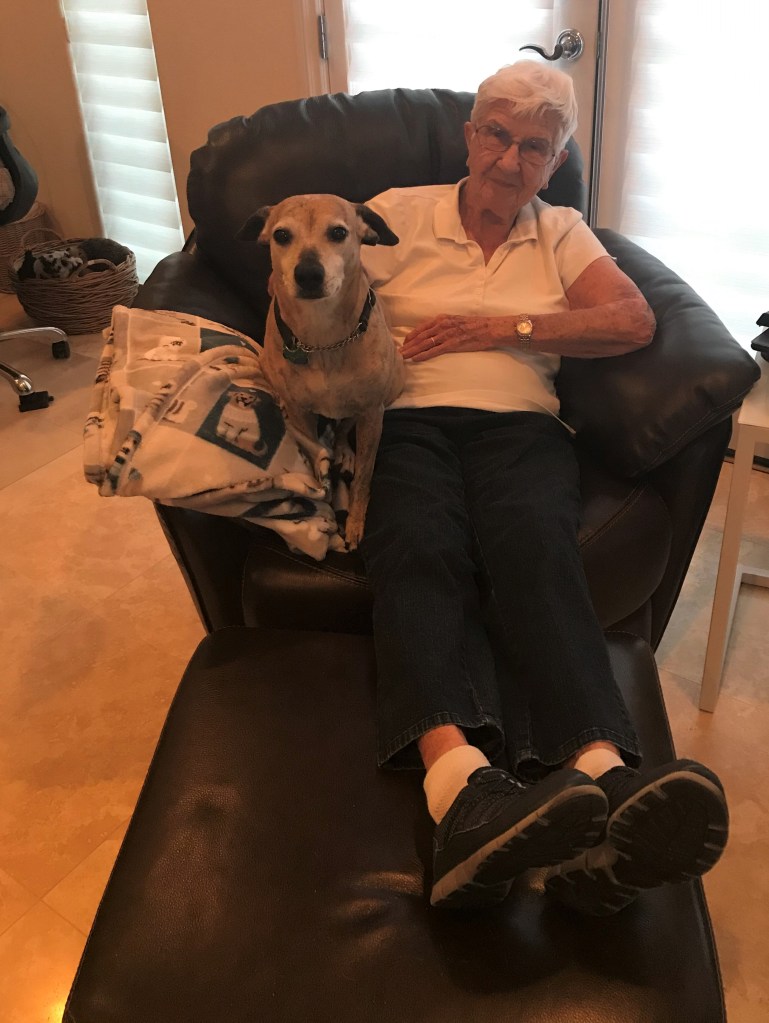
Every morning here seems to be picture worthy. Here are some from the last few days:
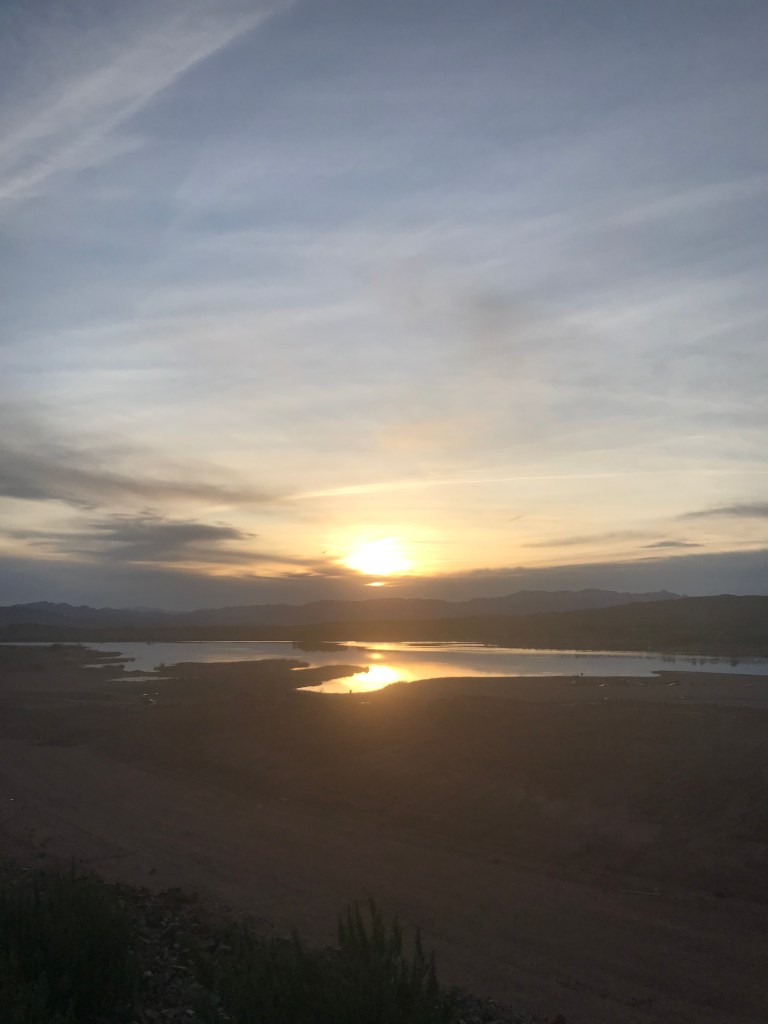
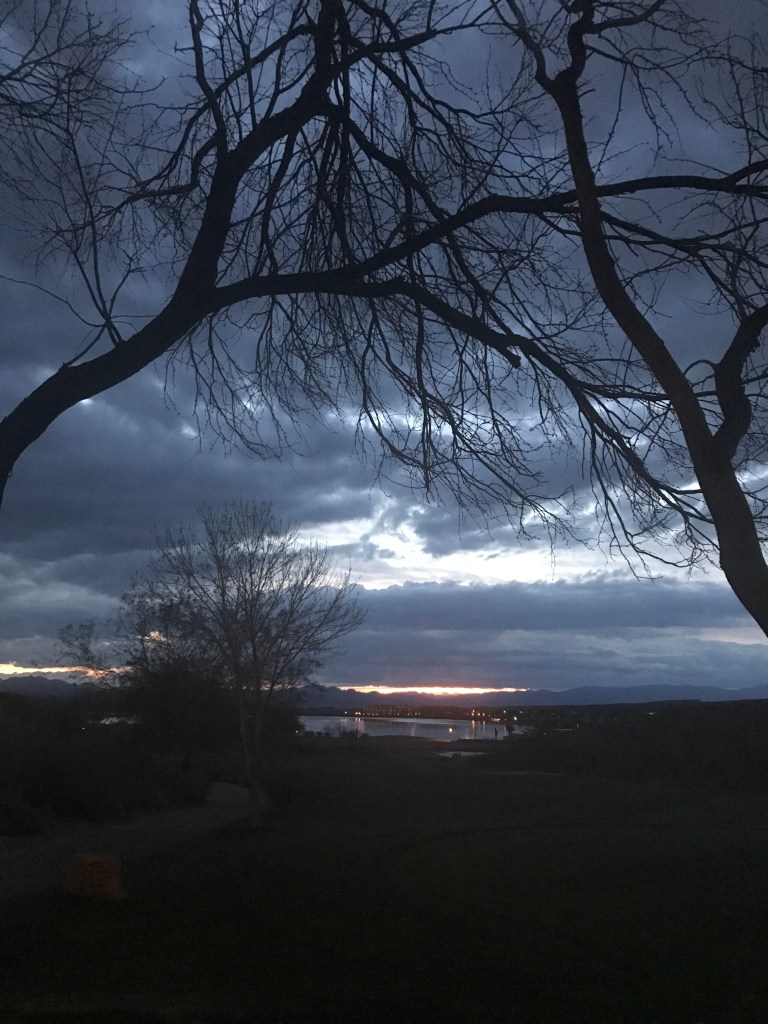
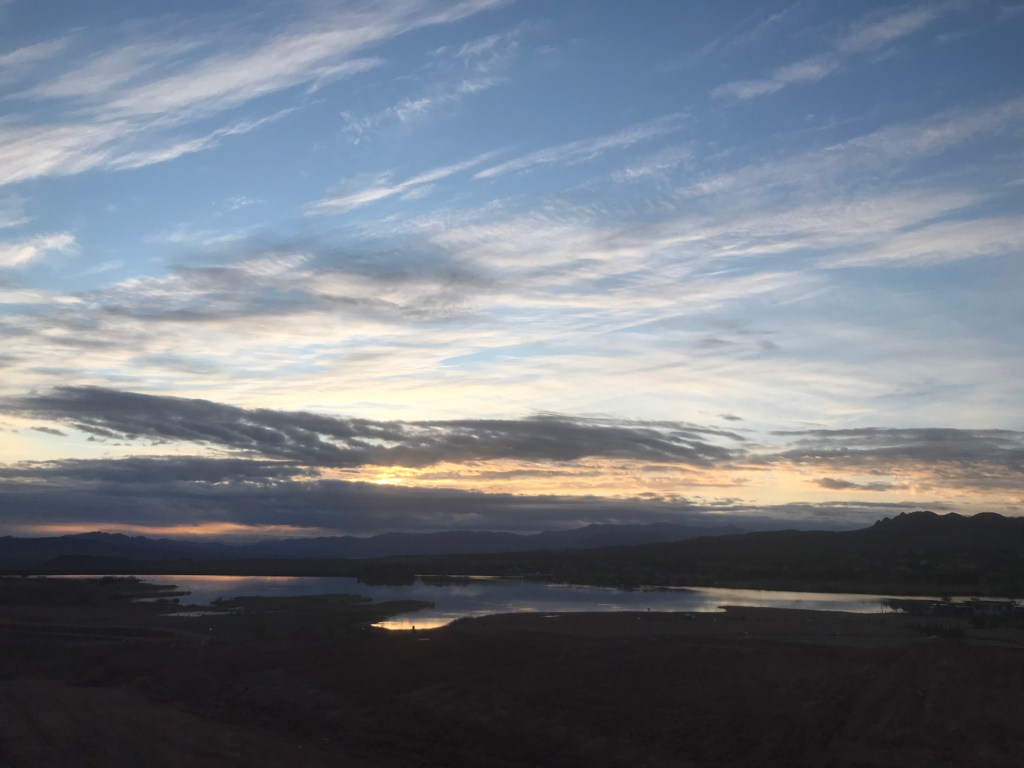
Every morning here seems to be picture worthy. Here are some from the last few days:
I’ve always known it was best to wash my hands with warm water, but, really, as a person who has spent many of her years in arid climates, the idea of watching water run down the tap for five minutes while waiting for the warm water to show up was too much to contemplate.
However, the place we moved to here in Henderson has a recirculating hot water system. And once we had the plumber out to fine tune it, it has been providing us with near instantaneous hot water from every faucet. It’s wonderful!
Given the current situation, I’m thrilled I can wash up in warm water and not waste gallons of water. I am completely and thoroughly spoiled by this.
Here’s a brief paragraph from Grandpa about his non-existent social life as a young man and then a story about his escapades with a motorcycle:
Father and mother both took a very protective hand in looking after us, and directing us in what was proper to do. This was so evident that at 21 when I went away to college, I had a severe struggle to adjust myself to make my own decisions as to what was proper to do. When we became young men, and other young men of the community had a buggy and team to go riding with their best girl friend, father did not believe such privileges should be granted to young people. If we went any place without our parents, we either walked or rode a lumbering farm horse. Of course such a mode of travel was no invitation acceptable to a girl. Father said that he did not believe that we should be allowed to use riding tools on the farm; because if we walked all day in the field, we would stay home at night, and not be out after dark like other young men were. Especially in the plowed field, my feet would ache so badly that after I would get the chores done, I would lie down in the front yard and bawl with aching feet. Only once my brother Irvin was permitted to take the double seated buggy and take a girl cousin of ours to a gathering. It was such an unusual occasion that I watched every detail of the proceedings even as to how Elsie was dressed.
My next escapade involving an accident was with a motorcycle in the summer of 1912. The Omaha Daily Bee advertised that they would give away a motorcycle to the one getting the greatest number of subscriptions in a given time. I had no way to travel, so I went and bought the motorcycle, with the agreement that they would give me my money back if I won the contest. I was a bit late in entering the contest, so had to make use of every day to get subscriptions. I crossed and crisscrossed the county getting subscriptions. I rode the thing until I got so sore that I counted it a favor if I was allowed to stand while eating.
I was nearing the close of the contest, and since the sun was getting low, I decided to strike out for home 25 miles to the east. I was riding down a country road that paralleled a railroad track. I had up pretty good speed when I spied a spur track coming off from the main track. It was a very bad crossing, and the rails were some inches above the bed of the road. When I hit the rails, it threw my motorcycle flat on the side. I remembered riding astride until it bounced the third time, and then I felt the stubs of weeds beside the road scratching my face. When I regained consciousness, I had the motorcycle up in the road trying to spring the wheels in line so I could push it. It was dusk and I saw a whole string of car lights coming up the road toward me. A train had passed me while I was lying in the ditch and had reported that a man had been killed up along the track. A doctor, and an undertaker, and a lot of town people had come out to get me. As soon as it was evident that I was not hurt, the doctor, undertaker, and town people all left. Two claim agents from the railroad company stayed with me and helped me push my wheel the three miles into town. When they questioned me as to what liability there was to the railroad company, I was so peeved at myself for being so foolish as to have been driving so fast on a strange road, that I would not ask for a cent. I had been warned that a motorcycle was a dangerous means of travel but I was not going to admit it under any condition, but said it was just my carelessness. I pushed the wheel into a garage and went to a hotel for the night. When I wakened the next morning, I could not imagine why I was so sore and stiff. I finally remembered the accident of the night before.
Instead of going home that day, I decided to go stay over Sabbath with a family 40 miles to the south. I had known the daughter in college. It was a very bad sandy dusty road to this family, and I became smeared with dust and grime. As I was passing a farmhouse on the way, a dog came out to meet me. I eyed him closely to see if I should speed up and go down along the road. I decided he was harmless, so I slowed up and made a left hand turn in the road. As I was making the turn, the dog jumped on behind me, and grabbed a chunk of my coat tail and jumped off with it. I stopped at the house to register a complaint, but they insisted that the dog was harmless and would not do such a thing. I could not prove it, as I and the dog were the only ones that saw it. I had to go on without the back of my coat.
I think that dirty and all as I was, and without a proper coat-tail, I did not make a very good impression to the co-ed, and they did not invite me to stay. I struck out for home, another 40 miles away, but was 12 miles from home when darkness overtook me. I tried to make it without lights. On the way I heard some rattling and was aware that I was passing a wagon in the other lane. I got as far as my grandfather’s place, pushed the wheel beside the road and crawled up in the haymow for the night.
When the report was made on the contest, I was notified that I had one third more subscriptions than I needed to win the contest. I only rode the wheel once after the accident. I sold it to a neighbor boy, for $299.00. I had enough money from it and my savings to put me through college the next year.
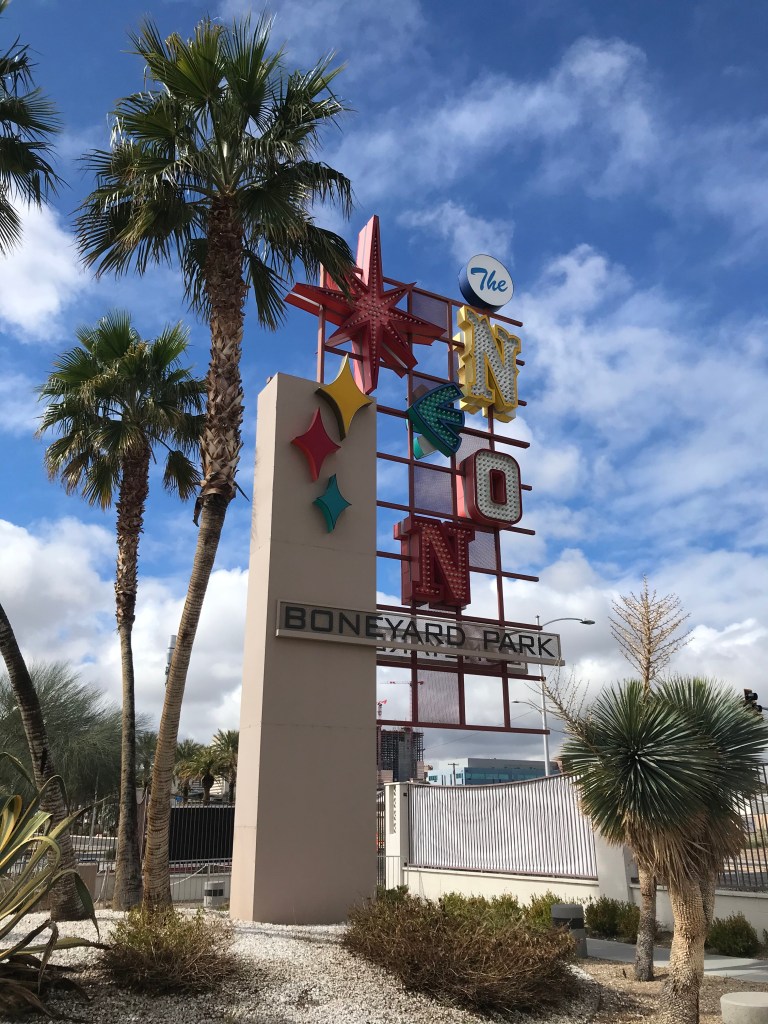
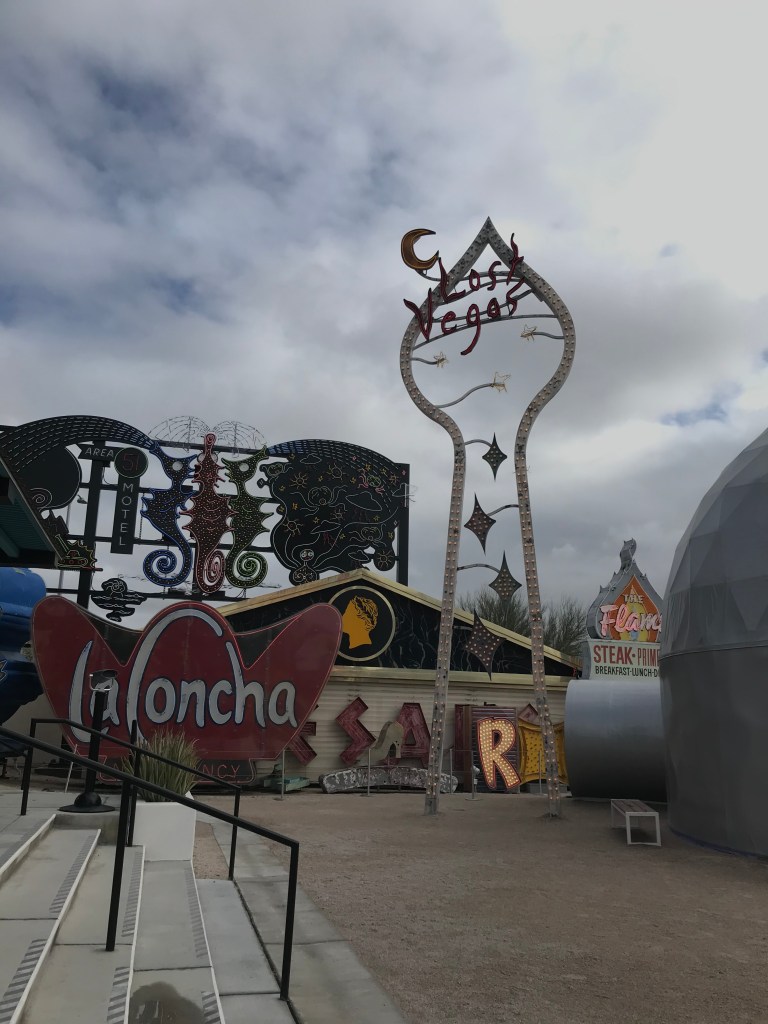
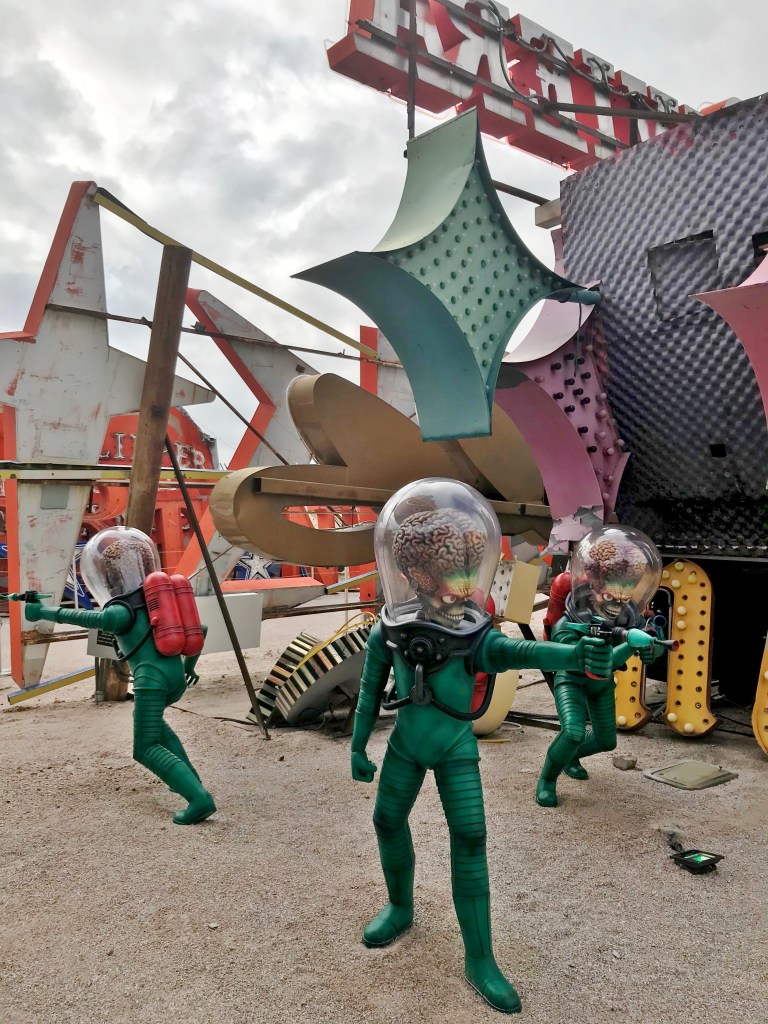
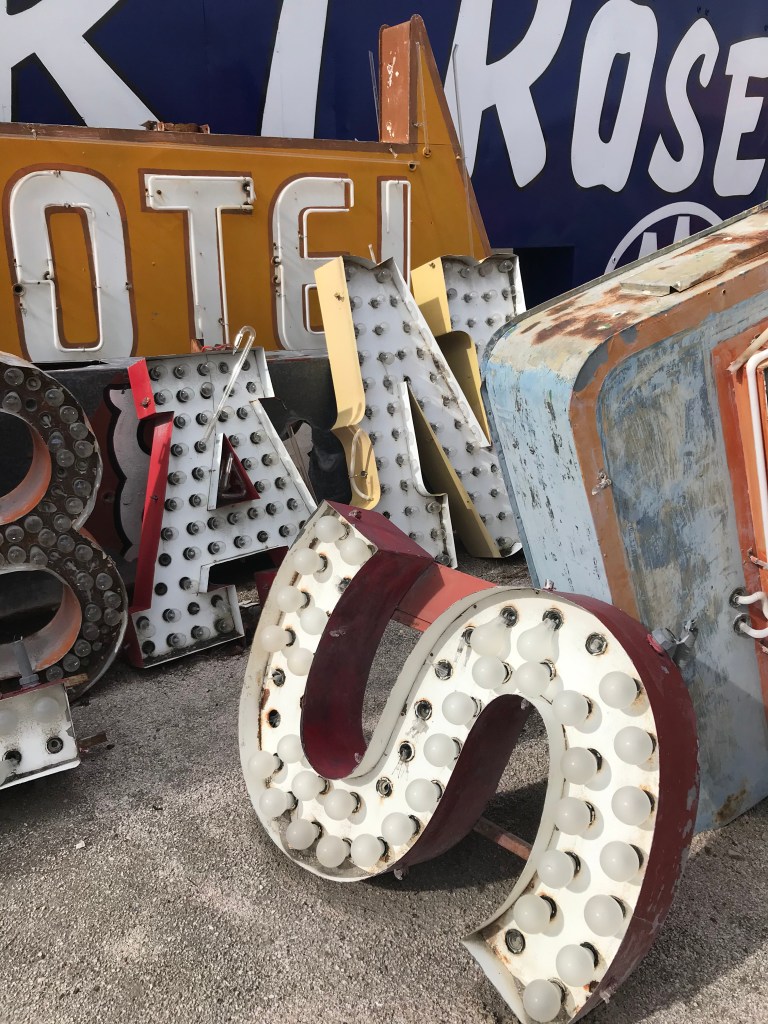
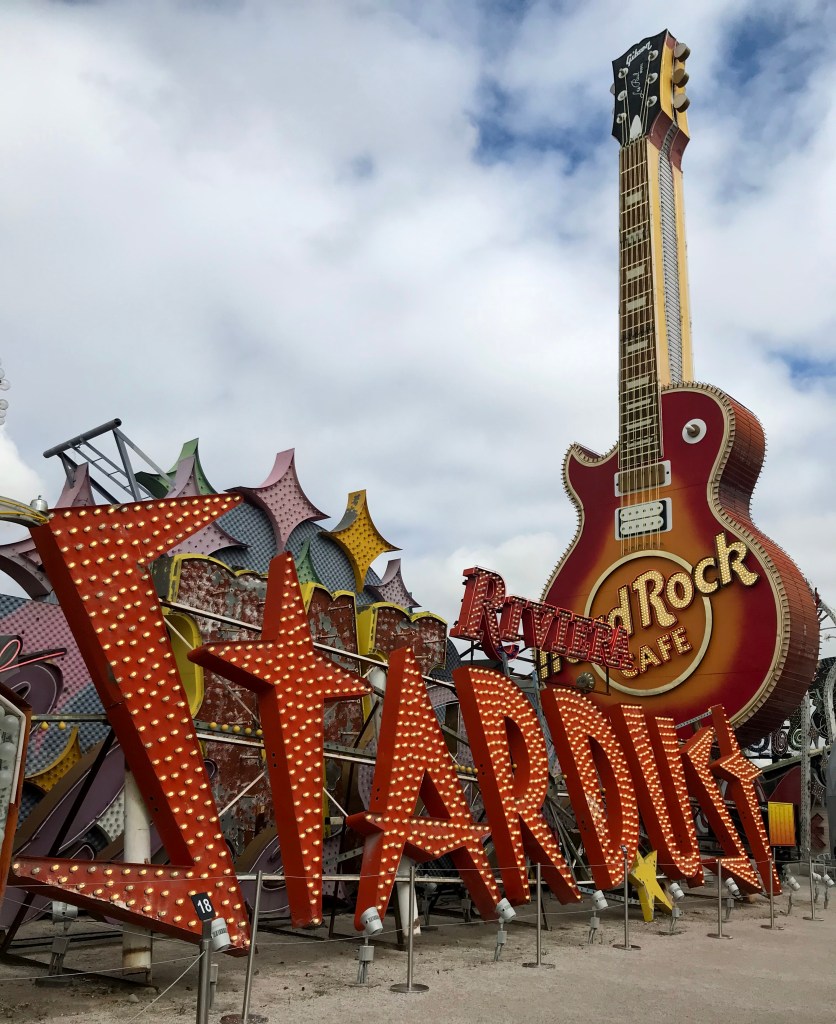
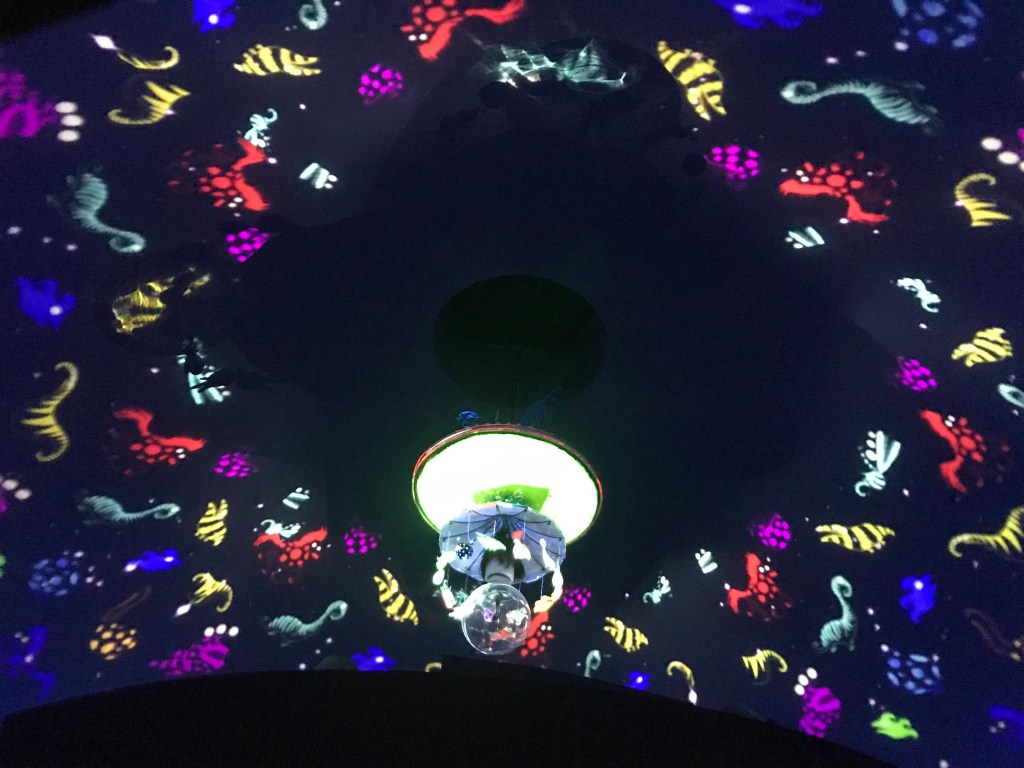
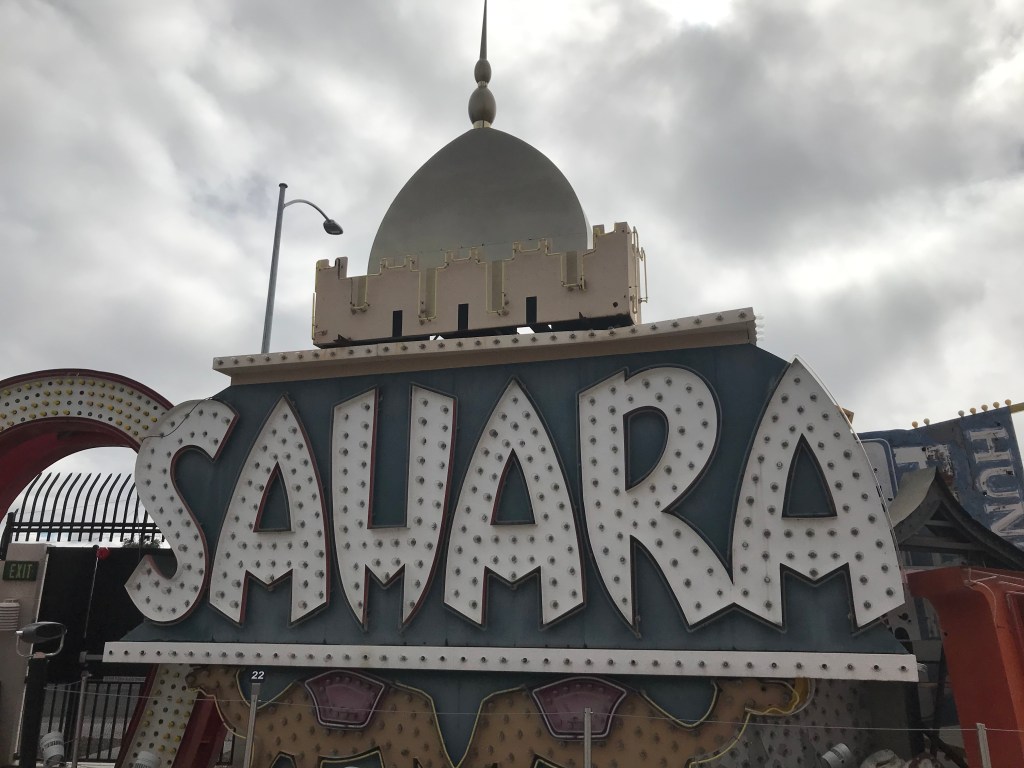
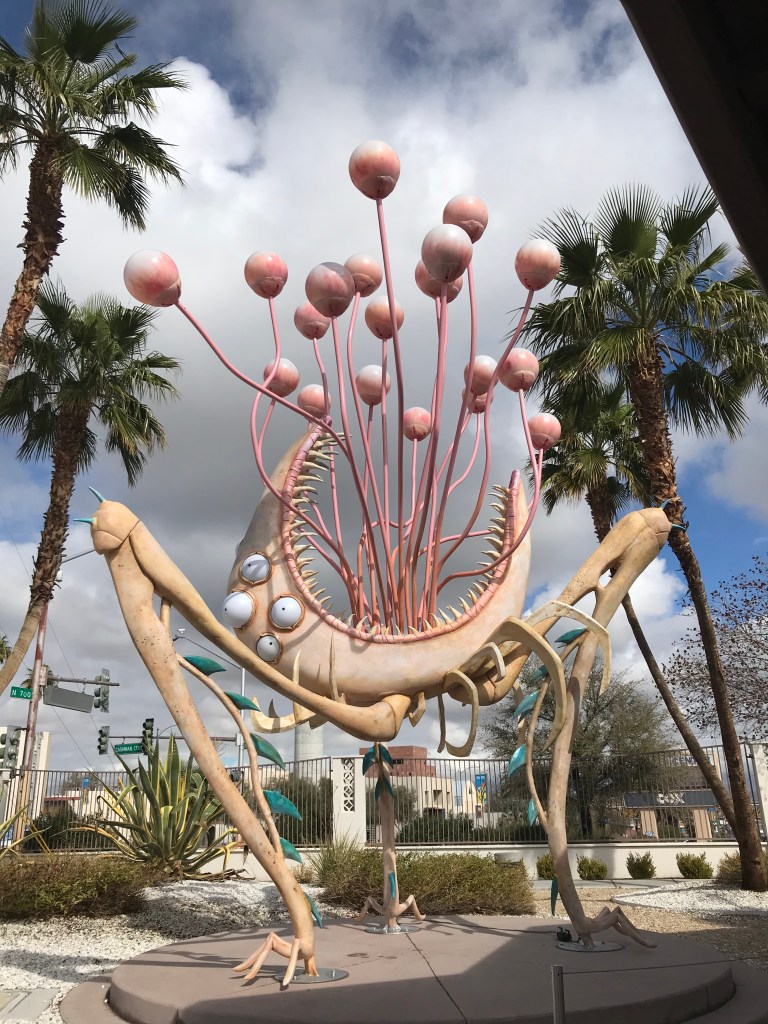
While going out to places and doing things was still an option, I visited the Neon Museum here in Vegas. In addition to the usual signs, Tim Burton has had a show going on there as well. Great fun and hope to do it again someday!
My Grandpa had many run-ins with motor vehicles over his life. Here’s the first of them:
(I’ve updated this post to add a few paragraphs to the original.)
Now I think I should neglect more of the more joyous experiences and pass to the more mundane. It was in the middle of the hot summer of 1911 in Nebraska that my father agreed to buy a car of the local garage. Three brothers owned the garage, and the agreement was that they were to teach me to drive. Every one as well as the horses knew well the meaning of “Gee and Haw”, but which was “Gee and Haw” on the driving wheel of a car? I was to go with one of the brothers to Omaha to pick up the car. I got to Tekamah well before train time; so one of the brothers agreed to take me out for a lesson in the demonstration car. It was one of those heavy lumbering Maxwells. The top was down and I was getting along famously, and the brother was paying no attention to me. When I neared a bridge, I could not remember which way was “Gee”. I soon found out and was proceeding to cross the bridge when the brother grabbed the wheel from me and tried to drive the car up a side road beside the creek. He got so close to the bank that the bank caved off and we rolled down the embankment. When it lighted bottom side up, I for some reason, was lying in the back seat, so the car did not touch me. When it rolled over right side up, I discovered I was lying on my back with the hind wheel sitting lengthwise on my stomach. I called to the brother and said “How are you, Bart?”. He said he thought that he was all right if I would come and help him. I told him that I did not think I was in a position to help anybody. I discovered that the car was leaning heavily to the opposite side from where I lay, and that the ground was muddy and soft above me. I dug a trench beside me, and wiggled out into it from under the wheel. When I got around to the other side, Bart was lying on his back with his head sticking out from under the front fender. He had dammed up the creek and the water was coming up around his head. In another minute he would have drowned. He had jumped out and tried to beat the car, but it had caught him in the bottom of the creek. I dug and ditched around him and crawled up on the bank and called for help. We got some logs and pried the car up, and took him to the hospital. He said that I had hurt him so badly that he was never able to work after that. He only had two broken ribs and some bruises. It was a good excuse for him. The car was not damaged in the least.
I called father on the phone and told father what had happened. He said for me to not get a car if I could not drive it. I bought a pair of overalls and a shirt and cleaned the mud off my shoes, and was ready by train time to go to Omaha. Another of the brothers went with me to Omaha. By night I was driving the new car alone. The brothers had three similar accidents that week. Neither of the other cars were worth hauling away.
The next day after I got the car home, father wanted me to teach him to drive. He said, “Take it over in the oat stubble and teach me to drive”. I told him that the road was the place to learn to drive. He insisted. He wanted to be sure and not run off into a creek. The ground was soft and the car would barely go except in low gear. It was a hot day, and after many attempts, and me getting out many times to crank it after it had stalled, and he was wringing wet with sweat, he said, “Take this thing out of here and get it home if you can”.
That was the last of his driving till nearly fall when I would leave for school. I had to take him every place he went with it. Sabbath was an especially boring day to me, as he would nearly always want me to take him some place to visit some of his buddies. He finally consented to me teaching him to drive on the road. Three times he would have run off from a bridge if I had not been watching and grabbed the wheel. That sounds crazy as any boy now knows how to turn the wheel. But then it was a hard split-second decision as to which was to turn the wheel.
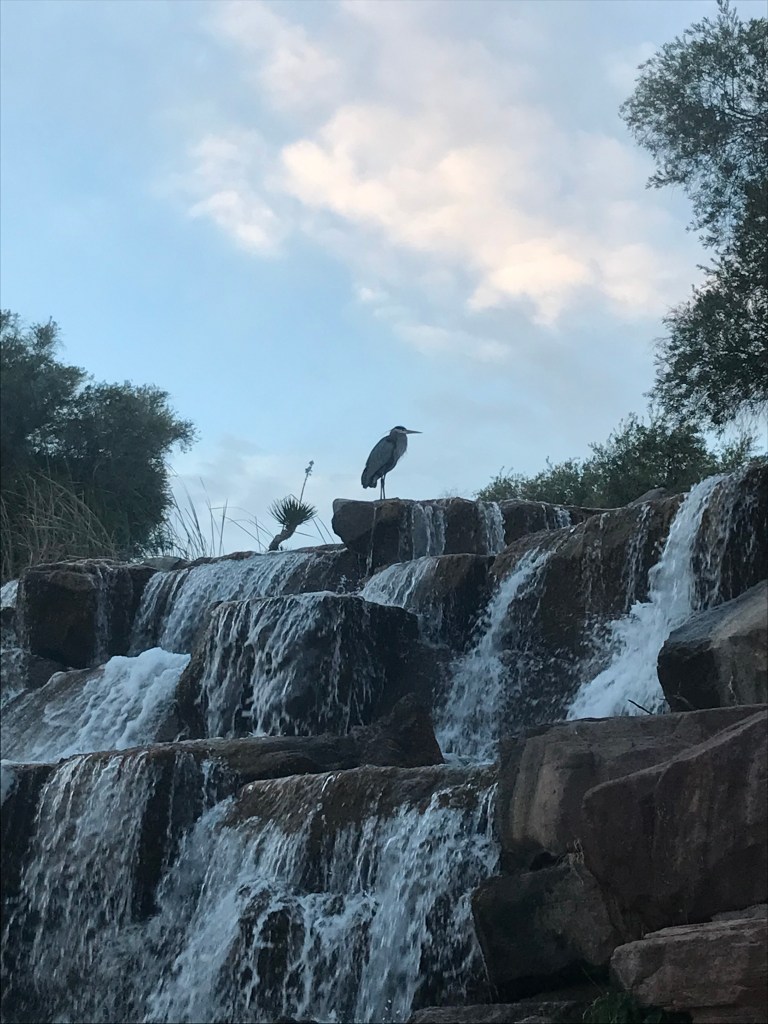
A selection of pics from the last few days:
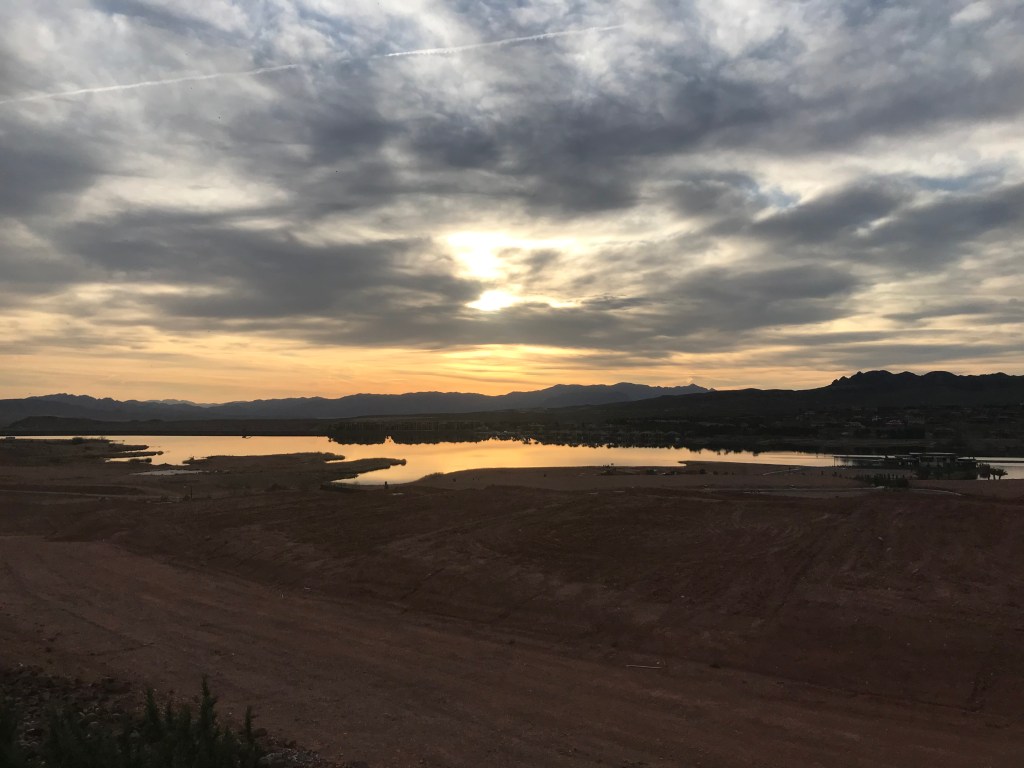
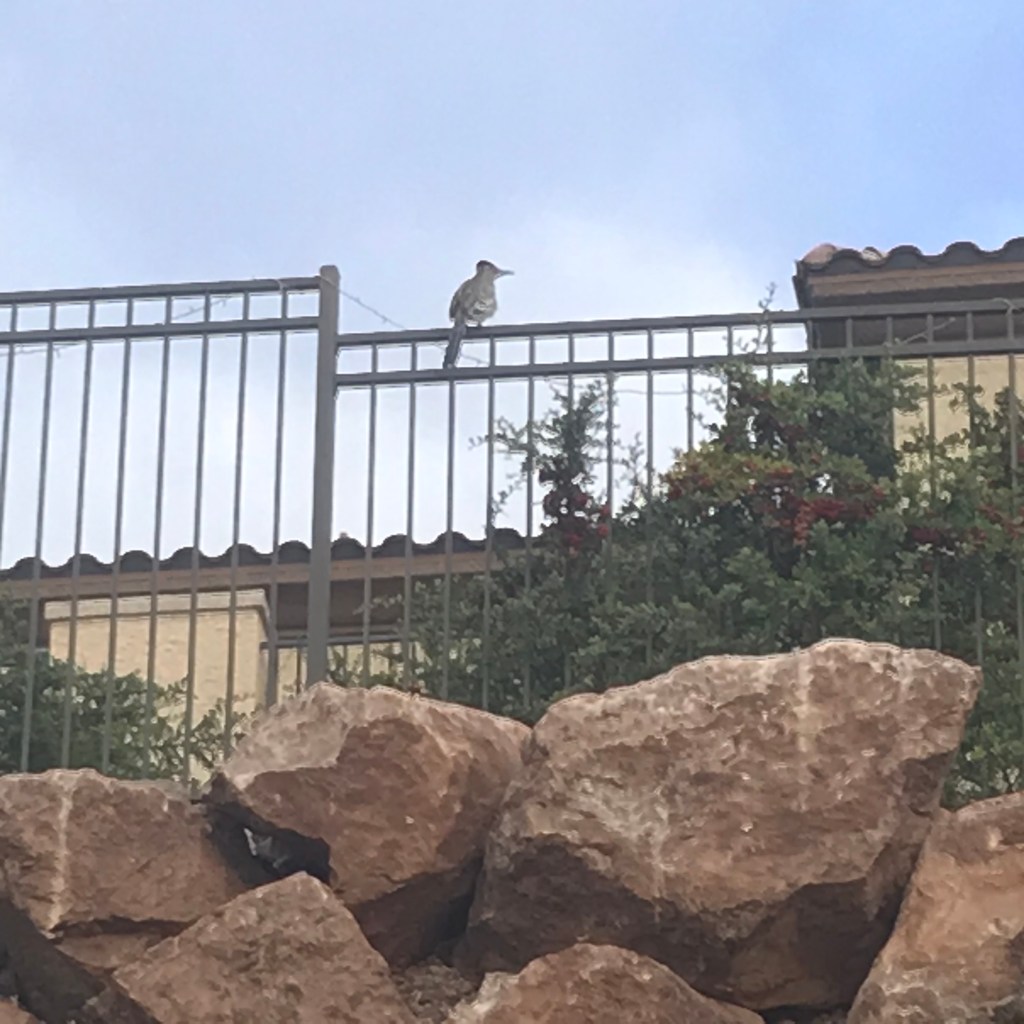
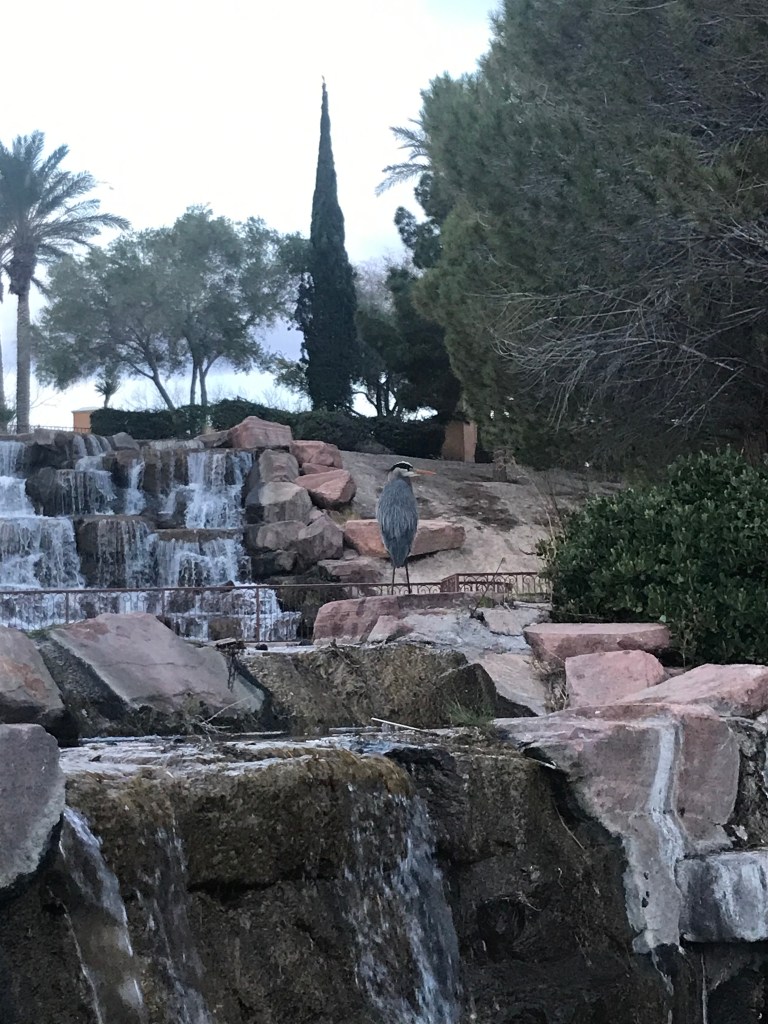
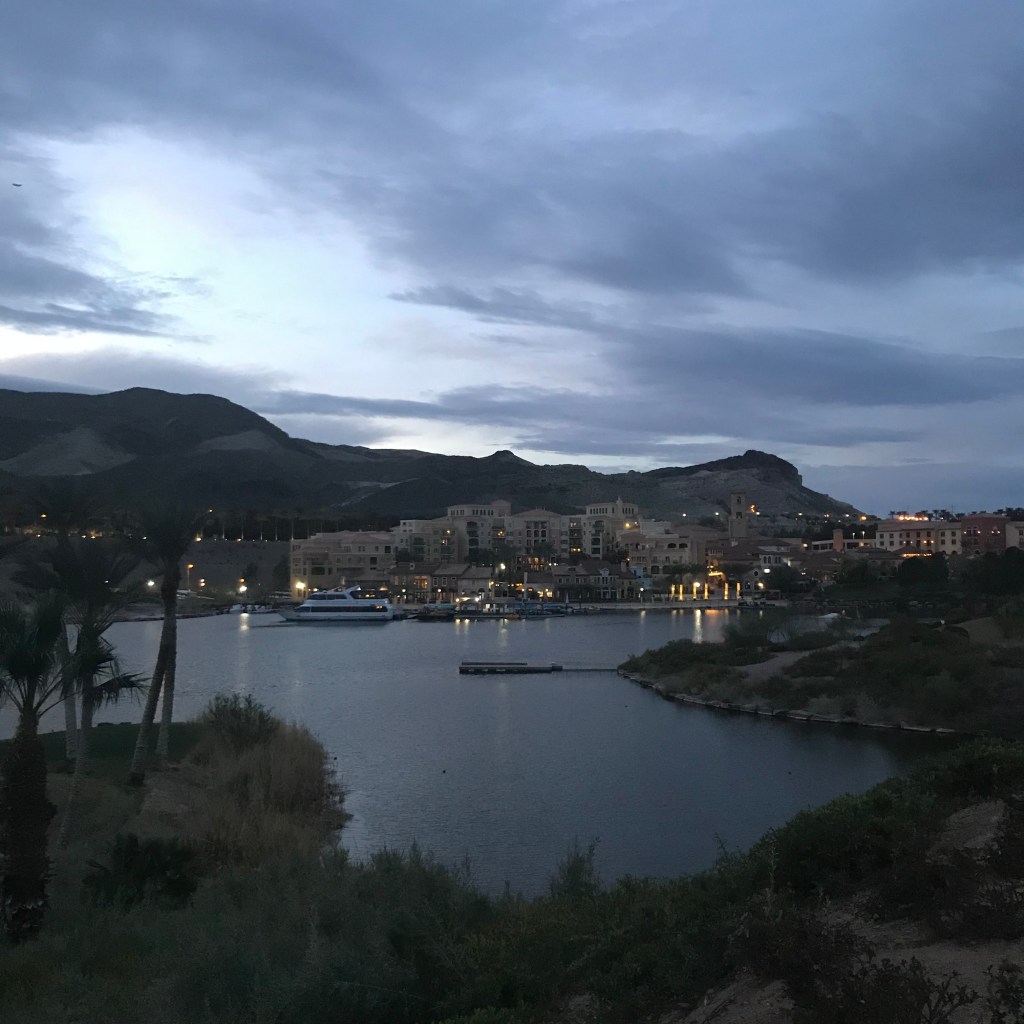
A few more vignettes about life on the farm:
One incident occurred when I was about 16 that always stood out in my memory. We were allowed to have a 22 rifle (nothing larger) and could shoot crows, blue-jays, rats, ground squirrels and other pests, but not rabbits of other birds. I well remember my fright when I threw a stone and killed a rabbit. I hurriedly buried it, so father never knew of it. The spring in question, we were told we could have the rest of a given week to finish putting in the “small grain”. Irvin had it figured out that if we crowded a little on quitting time, we could get done by Friday noon. At quitting time (at noon) we had a little less than an hour yet to finish, so we decided to finish before we quit. We were almost an hour late when we arrived home with our four horse teams dragging the disc, cedar and harrow in tandem. As soon as we arrived home, father met us and we saw that he was angry because we were late. Nothing was said. While we were eating dinner, Irvin broached the subject that we wanted to go to a country store, five miles distant, and get some shells for our rifles. Father said, “No sir, you will be lucky if you both do not get a licking”. That ended our dinner. I do not know where Irvin went, but I had measured a place previously for a retreat under the corn crib. There was an opening between the floor joist and the sill that was 6 by 18-1/2 inches. I knew that no one else could get through it, so I crawled back under the crib to the far end where I was completely out of sight. I intended to stay there till I died or was promised that I would not get a licking. (Father says he never licked me, but my memory serves me differently.) After about an hour, I heard mother calling, but I did not answer. I finally heard her and Irvin walking past the crib. I did not stir. Finally she called my name and said we could go to the store and get the shells as we had wanted. I came out and we went and got the shells as promised.
One spot that furnishes pleasant memories is the “Old swimming hole”. One branch of Silver Creek heads on our farm. At the origin of the spring, a hole had been gouged out, about 8 by 20 feet and three feet deep, by run-off water in the spring rains. We built a toboggan slide into it, and many were the welcome splashes when our toboggan dived into the water. The toboggan slide was a 12 inch board with cleats on the edges to keep the toboggan from jumping off. The toboggan was a board 8 by 24 inches, with spools securely fastened for wheels. The ride down the slide was almost breathtaking, and was great fun, if the toboggan did not jump the cleats and spill us off on the bank. After we had thus enjoyed our fun for a time, we had to hunt a clean pool of water to wash off before we could put our clothes on. But fun, Yes!
Some stories from when he was around 10:
When I was about 10 years old we had gone to campmeeting in the lumber wagon. It was a trip of about 40 miles. We started in the evening and went part way, and slept under the wagon over night. The horses were tied to the wagon and kept walking around so we could not sleep much. The next day we went on to the campsite. It was a new and novel experience to me, so I was well keyed up by the trip. After we arrived home from the campmeeting and I had gone to bed, I roused up dreaming that I had wandered away from our tent and had gone to sleep in some one else’s tent. I crawled out under what I thought was the edge of the tent, and was quite amazed that I could not reach the ground with my feet. I then gave a big jump, and on the way down I awoke. I had been asleep in the upstairs of our house. I had gotten up and opened the screen and sat on the windowsill of the open window, and jumped out, and landed on the ground below. I had cleared some boxes that were immediately under the window, so did not get hurt. Before I could fully realize what had happened, father was out beside me asking what in the world I thought I was doing.
I was about 10 years old when a rather amusing incident happened. I had gone after the cows in the early morning. The sun had not yet risen, and I was still a bit groggy with sleep. The cows were more than a half mile from the barns. When I got to where the cows were, my dog Mage, that I had taken along to help bring the cows home, ran up on a straw stack and began to bark viciously. I said to Mage, “sick em”. He came down and crawled under a fence and went down into an oat field of ripening grain. I followed him. He soon stopped and began barking more viciously at something in front of him that looked like a ball of fur. His barks became continuously weaker, and I finally recognized the smell, and realized what the ball of fur was. We both ran back to the pasture, and as soon as the cows got a whiff of us, they ran to the barns as fast as they could go. We could not come into the same yard with them, but had to crawl under the fence in back of the barn. When I got to the house, Mother would not let me in the house. I passed out the joke that I had met up with an old friend. Mother brought me out some clothes into which I changed in the barn. I had my breakfast served to me out in the yard, but it tasted terrible. Scrubbing with soap did not seem to help much. I buried my clothes in moist earth, and after three days they were odor free. Since that experience I have been wary of skunks. Bathing helped a little, but it was several days before I was odor free.
I was about nine or ten when an incident happened that caused me a great amount of grief. It was a rainy day, and I took a parasol with me to get the cows. The cows were somewhat undecided as to whether they wanted to stay and eat more grass or go to the barn. I found that by raising the parasol quickly and giving a loud whosh, the cows would run rapidly towards the barn. As we were nearing a narrow lane, I raised the umbrella with a loud whosh; and one of the cows that was behind could not get past the rest soon enough to suit her, and in her fright she jumped into the fence. She tore the wires loose from the posts, and the top wire hung to her just above the front legs. It was a new galvanized wire and did not break, and she ran with it sawing a gash into her breast. It cut clear through her brisket, so I could see through to the insides of the cow. She finally stopped and I pulled the wire loose from her body. I went to the house and called father. He went to look at the cow and went to the house and got a gun and killed her. She was a big cow, and fat. Father refused to butcher her. It was hot weather and 12 miles to town by team, a 5 hour trip, to get ice, and father was afraid the meat would spoil before it could be sufficiently cooled. I cried myself to sleep for several nights after the incident. The only consolation I could think of was that I would some day grow up and work and earn money to pay for the cow, that I had caused to die. I did not get a licking, but I think that I never, till now, told the reason why the cow jumped into the fence.
Grandpa’s adventures with some goats:
At this point I feel the urge to reminds of some of the lighter happy side of a boy’s life. This incident began in the spring of 1899, I think. After the crops had been planted, father took a trip to northern Indiana to his boyhood stomping ground. He planned to stay until it was time to start to cultivate the corn. He judged the length of his stay by how fast the corn was growing in northern Indiana. He finally decided it was time for him to start home. The nearer home he got, he realized the corn developed faster than where he was making his judgment. The nearer he got to home the more worried he got, as it was past time to begin cultivating the corn. I had never cultivated, but Irvin had. We got the cultivators out of storage and put them together, and started to cultivating. By the time he got home, all of the corn was cultivated except a 20 acre field. Father was so happy about it that he said we could take a vacation, and he would finish the cultivating the first time over. (He was so slow getting his 20 acres cultivated that we could never get it clean enough to get a full crop.) We went on the train to Calhoun, a town 40 miles to the south. While there, we became enamored by some young goats that were for sale. We bought a Billy and Nanny and took them home. The baggage car of the train accepted them as passengers for a fee of 25 cents each. When we got to our home town of Tekamah, Billy had eaten the tag off of Nanny’s neck band, so we had a bit of trouble to claim her, but the baggage man was finally persuaded to let us have Nanny also.
We had great fun training and playing with Billy and Nanny. We made harnesses for them, and one of our prize pictures is of us driving them hitched to our play wagon pulling a cousin of ours. All went well for a time, but Billy finally disagreed with that kind of fun, and would turn around and start to fight. We discovered that Billy was mortally afraid of getting his beautiful wool caught in barb wire, so we controlled him for a time longer with a piece of barb wire for a whip, but that soon failed to control him, and driving our team of goats became a lost art. We had a board fence enclosing the yard around the house. There was a flat board on top of the fence. The goats had great fun in walking on top of that fence. All went well unless Billy and Nanny happened to be walking in opposite directions on the fence and happened to meet. Billy always solved the problem by giving Nanny a bump and knocking her off on the ground. He would look proudly down at her and give his accustomed snicker of triumph, that only a goat possesses. One stunt of fun was to take Billy by the horns and let him push us backwards. All went well until he got us going so fast backwards that we would fall on our back. That was always an occasion for his accustomed snicker. That fun finally gave out as Billy got too rough in pushing us. One of his happy moments was to catch us stooping over. When we were not watching, he would run from behind and knock us sprawling. That was always a signal for his snicker as he watched us get up. If we happened to leave a flat board standing up to the roof of the buildings, they were sure to spy it and go up on the roof and walk around. They would walk to the lower row of shingles and look down unconcerned. We were always afraid that Billy would catch Nanny on the lower row of shingles and give her a bunt. The roof of the buildings are too steep for a person to walk on in Nebraska.
Billy finally became such a nuisance, that we had to shut him in the yard with the other farm animals. The only way to keep him in the yard was to put a string of barb wire on top of the fence. He never got over being afraid of barb wire. He was an Angora goat with long fleecy wool, he was always careful to not get it caught in any entangling material.
For some reason Billy always had a great sense of revenge for anyone or anything that would disturb his beautiful wool. If he brushed a fence or any object, he would violently retaliate. Sometimes we would come home and find a gate smashed to splinters, and the livestock scattered all over the place. Once I saw him when a fence post had evidently shattered his serenity. A nail in the post had evidently pulled his wool. He began butting the post, gently at first, but more violently as he proceeded, until blood was dripping off the end of his nose. I would drive him away, but he would return to get revenge on the post for disturbing his beautiful fleece.
One fall we had more corn that enough to fill the cribs, and we made a temporary crib beside the yard where Billy was confined. He had evidently caught his fleece on a nail or something on the crib of corn. He began battering it, and when he hit it, a few kernels of corn would drop out. Evidently the corn dropping out enraged him all the more. He would stop and eat every kernel of it. He had access to all the corn he could eat, so he was not hungry, but it evidently avenged him to eat it. I do not know how long he battered and ate. The next morning he did not come out to the feeding of the stock. I found him lying down on his side (unnatural position) in one of the sheds. I went up to him and said “Hello Billy”. He raised his head and gave out a moan, and put his head back down. In about two hours he was dead. He had evidently eaten so much corn for revenge that it had killed him. There was no mourning at his passing, but he received an honorable burial.